
Pouring ready mix concrete may seem simple, just order, pour, and let it harden, but the truth is, small mistakes during the process can lead to big problems down the road. From cracks and uneven surfaces to weakened structural strength, common ready mix concrete mistakes made during site preparation, pouring, or curing can cost you both time and money. Whether you’re working on a driveway, patio, or foundation, knowing what not to do is just as important as following concrete pouring tips and best practices. Below are a few key mistakes to avoid on your next project.
1. Poor Site Preparation for Ready Mix Concrete
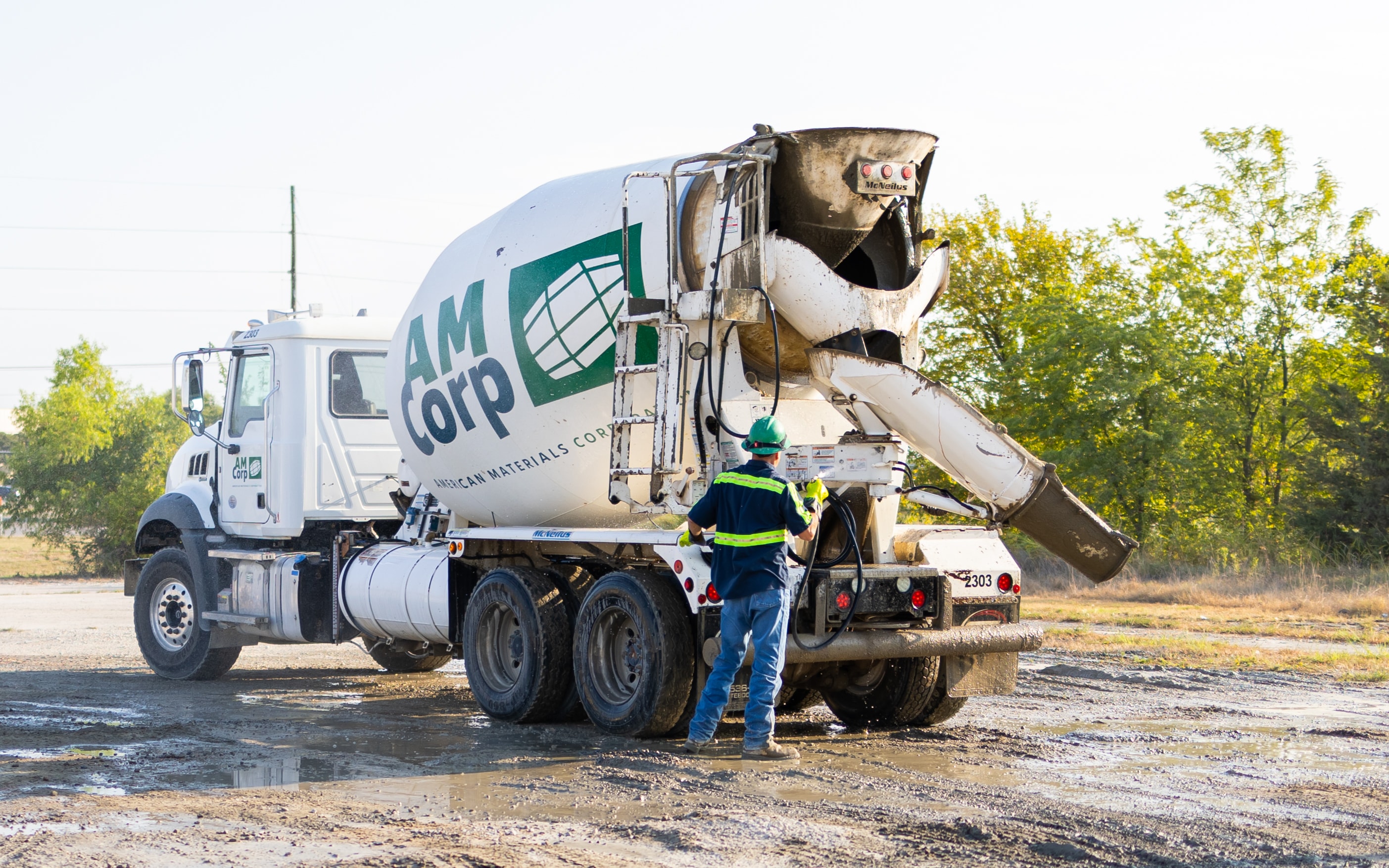
One of the most common errors when pouring ready mix concrete is rushing into the job without proper site preparation. A stable, compacted base is essential for long-lasting results. If the ground is soft, uneven, or filled with organic material, the slab may settle unevenly or crack prematurely.
Tip: For best practices in concrete base preparation, always remove debris, level the ground, and compact the soil or gravel subbase before the ready mix arrives. Correct site preparation for concrete also includes proper grading, which improves drainage and prevents water from pooling beneath the slab.
2. Ignoring Weather Conditions When Pouring Concrete
Concrete is highly sensitive to weather conditions for concrete pouring, especially during placement and curing. Pouring on very hot, cold, or wet days can significantly affect the final product.
- Hot weather accelerates curing, which can cause surface cracking.
- Cold weather slows curing, increasing the risk of weak concrete if it isn’t properly protected.
- Rain during or after the pour can wash out cement and weaken the surface.
Tip: The best weather for pouring ready mix concrete is when temperatures are moderate. If that’s not possible, take precautions, such as using curing blankets in winter or misting the surface in summer, to control how weather affects concrete curing.
3. Using the Wrong Concrete Mix for Your Project
Not all concrete mixes are the same, which makes concrete mix selection critical for long-term durability. Using a lower-strength mix for structural work, or failing to consider additives for specific conditions, can cause serious performance issues. For example, a patio or driveway exposed to freeze-thaw cycles should use a mix with air-entrainment to resist cracking.
Tip: For the best results, consult your ready mix concrete supplier about the right PSI rating, admixtures, and mix design for your project. They can provide ready mix concrete tips to help you choose which concrete mix is best for driveways and foundations.
4. Adding Excess Water to the Concrete Mix
A frequent mistake on job sites is adding water to the concrete mix to make it easier to work with. While this may improve flow temporarily, it weakens the concrete once cured. Excess water dilutes the mix, reduces strength, and leads to water-to-cement ratio problems that make the surface more prone to scaling, dusting, and cracking.
Tip: Always rely on the supplier’s designed water-to-cement ratio. If you’re wondering what happens if you add too much water to concrete, the answer is reduced durability. For better workability, ask for a plasticizer or other admixture rather than adding water.
5. Inadequate Reinforcement in Concrete Slabs

Concrete is incredibly strong in compression but weak in tension, which is why proper reinforcement is essential. Using rebar for concrete slabs or wire mesh helps prevent cracks and improves structural strength. Skipping reinforcement, or placing it incorrectly, is one of the most common mistakes and often leads to structural weakness.
Tip: Follow best practice for concrete reinforcement by ensuring rebar or mesh is installed at the correct depth and secured before the pour. For best results, reinforce concrete slabs with rebar so it never sits directly on the ground.
6. Rushing the Process of Finishing a Concrete Slab
Finishing a concrete slab too early or overworking the surface can cause long-term issues. If you start finishing before bleed water has fully evaporated, the trapped moisture can weaken the slab. Overworking the surface, especially with steel trowels, often leads to concrete surface defects such as scaling or an uneven finish.
Tip: To avoid common mistakes when finishing concrete, be patient and wait until the surface sheen from bleed water disappears before beginning finishing operations. Proper timing is key to achieving a durable, smooth finish.
7. Improper Curing of Concrete
Concrete doesn’t reach its full strength in a single day; curing is a gradual process. One of the most common concrete curing mistakes is neglecting proper hydration, which often causes premature cracking and surface defects. Allowing the surface to dry out too quickly prevents the concrete from curing properly and achieving its full durability.
Tip: For curing concrete for maximum strength, keep the surface moist for at least 7 days. Use curing blankets, plastic sheeting, or commercial curing compounds to lock in moisture and maintain even hydration.
8. Skipping Control Joints
Concrete naturally expands and contracts, which is why concrete control joints are essential. Without them, random cracking is almost guaranteed and can weaken the slab over time. Installing slab expansion joints correctly ensures the concrete has room to move while maintaining its strength.
Tip: For best results, cut control joints to one-quarter the depth of the slab at intervals about 2–3 times the slab thickness in feet (for example, every 8–12 feet for a 4-inch slab). This is the simplest way to keep control joints in concrete slabs effective and long-lasting.
Ready For Ready Mix? Contact Us Today!
Pouring ready mix concrete may look straightforward, but attention to detail makes all the difference. Avoiding common mistakes like poor site preparation, adding excess water, improper curing, and ignoring weather conditions are some of the most effective ready mix concrete tips to ensure your slab, driveway, or foundation lasts for decades. By planning ahead, working carefully, and following best practices, you’ll prevent cracks in ready mix concrete and achieve the strength and durability your project needs.
Ready to get started on your next project? As a trusted ready mix concrete supplier in Northern Texas, we’ve taken the guesswork out of ordering. Use our concrete calculator for projects of any size to determine exactly how much concrete you’ll need.
Frequently Asked Questions
What are the most common mistakes when pouring ready mix concrete?
Some of the biggest mistakes include poor site preparation, adding too much water, rushing the finishing process, ignoring weather conditions, and improper curing. These can all weaken the concrete and lead to cracking.
How do I prepare a site before pouring ready mix concrete?
Clear debris, remove organic material, and compact the soil or gravel base. Proper grading is also essential to ensure good drainage and prevent water from pooling under the slab.
Can adding extra water to ready mix concrete cause problems?
Yes. Adding too much water reduces the concrete’s strength, increases the risk of cracking, and can cause surface scaling and dusting. Instead, ask your supplier about using a plasticizer for better workability.
What’s the best weather for pouring ready mix concrete?
Moderate temperatures are ideal. Hot weather can cause cracks from rapid curing, cold weather slows curing and weakens the mix, and rain can wash out cement. Plan pours carefully or use protective measures if weather conditions aren’t ideal.
Why are control joints important in concrete slabs?
Control joints allow concrete to expand and contract without creating random cracks. They should be cut to one-quarter the slab’s depth and spaced at 2–3 times the slab thickness in feet.